



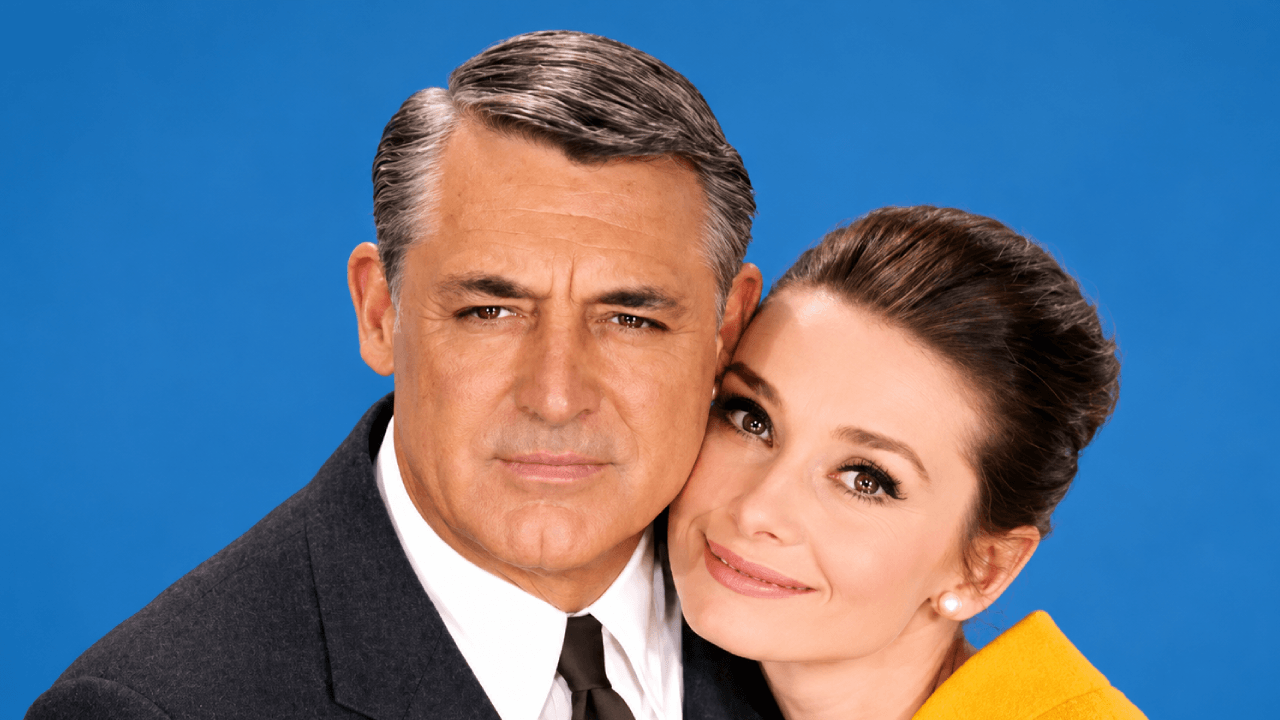
Barbra Streisand and Cary Grant never co-starred in a feature film, and reliable reporting does not establish a romantic relationship between them. Their clearest connection lies in cinema: Streisand’s What’s Up, Doc? drew directly on the screwball-comedy tradition Grant helped define.
There is also a memorable behind-the-scenes link. According to an account discussed in coverage of Streisand’s memoir, her co-star Ryan O’Neal sought Grant’s advice while preparing for the 1972 comedy.
For readers wondering whether the two legends appeared together, dated or shared a famous Hollywood story, those distinctions matter. The documented connection concerns influence, performance and overlapping entertainment circles rather than a confirmed love affair.
Did Barbra Streisand and Cary Grant Make a Film Together?
They did not share a feature-film acting credit. Grant’s final screen appearance was in Walk, Don’t Run, released in 1966. Streisand’s breakthrough film, Funny Girl, followed in 1968.
That timing helps explain why a pairing that might sound plausible never materialised. Grant was completing his screen career as Streisand was establishing herself in films.
Her leading men included Omar Sharif in Funny Girl, Ryan O’Neal in What’s Up, Doc? and Robert Redford in The Way We Were. Grant belonged to an earlier generation of romantic-comedy stars, although his films remained a reference point for the directors and actors who followed.
Their names can therefore appear together in discussions of Hollywood romance without referring to an actual screen partnership.
The Strongest Connection Is What’s Up, Doc?
Directed by Peter Bogdanovich, What’s Up, Doc? stars Streisand as Judy Maxwell, a resourceful young woman who disrupts the carefully ordered life of musicologist Howard Bannister, played by O’Neal.
The plot involves identical bags, stolen property, mistaken identities and escalating chaos in San Francisco. Its energy comes from the collision between a man desperate to preserve order and a woman who repeatedly overturns it.
The American Film Institute’s production history identifies screwball comedies of the 1930s and 1940s as Bogdanovich’s major inspiration, particularly Howard Hawks’s Bringing Up Baby.
That 1938 film paired Grant with Katharine Hepburn. Grant played an awkward palaeontologist whose plans unravel after he encounters an unpredictable heiress.
The connection is consequently specific: What’s Up, Doc? revisits an established comic relationship, placing Streisand and O’Neal within a tradition associated with Hepburn and Grant.
How Streisand’s Comedy Relates to Grant’s
The most direct parallel in What’s Up, Doc? is between O’Neal’s flustered academic and Grant’s character in Bringing Up Baby. Streisand occupies the disruptive position associated with Hepburn.
That distinction is useful. It would be misleading to describe Streisand as simply imitating Grant when the film distributes its influences across both leading roles.
Her Judy supplies momentum. She pursues conversations, invents explanations and moves through situations with confidence while Howard struggles to catch up.
Grant’s achievement in this kind of comedy involved allowing an apparently composed leading man to become embarrassed, confused and physically ridiculous. His glamour made the loss of control funnier.
Streisand and O’Neal work with a related contrast, but their film has its own early-1970s setting and sensibility. The pleasure comes partly from recognising an older comic structure operating through different personalities.
The Advice Cary Grant Reportedly Gave Ryan O’Neal
One of the most frequently repeated anecdotes connecting the films concerns O’Neal’s preparation.
In a December 2023 article examining his comic performances, The Forward drew on Streisand’s memoir, My Name Is Barbra. It reported that O’Neal met Grant for advice about playing Howard Bannister.
Grant’s recommendation, as recounted there, was brief: “Wear silk underpants.”
The line has survived because it sounds both practical and mischievous. It also fits a film in which a handsome leading man repeatedly finds himself in undignified circumstances.
The attribution should remain clear, however. This is an anecdote reported through Streisand’s recollection, rather than a detailed surviving record of the conversation.
It links Grant to her film through O’Neal. It does not establish that Grant coached Streisand or participated in the production.
Were Streisand and Grant Romantically Involved?
The reliable sources reviewed do not establish that they dated or had an affair.
A connection through film history, mutual acquaintances or attendance at Hollywood events cannot establish a private relationship on its own. The available evidence supports discussing their professional worlds and Grant’s influence on comedy.
That leaves room for a straightforward answer without inventing a hidden romance. Streisand and Grant were major figures whose careers overlapped in time, but their shared significance is best understood through their work.
It is equally unnecessary to describe them as close lifelong friends without stronger documentation. The documented screen connection is substantial enough to explain why their names belong in the same conversation.
Cary Grant and Richard E. Grant Are Different People
Another relevant distinction concerns Richard E. Grant, whose admiration for Streisand has received extensive coverage.
The actor associated with Withnail and I and Can You Ever Forgive Me? is not Cary Grant, the star of North by Northwest and Bringing Up Baby.
In 2019, The New Yorker profiled Richard E. Grant’s longstanding enthusiasm for Streisand. It described the fan letter he sent her at 14, offering her a holiday away from the pressures of fame.
Streisand responded publicly decades later after he shared the story online.
That widely circulated exchange concerns Richard E. Grant. Readers encountering references to a youthful letter, an enthusiastic fan or a later meeting with Streisand should keep the two actors’ identities separate.
Why Their Careers Still Invite Comparison
Both performers developed highly recognisable screen identities, although they worked in different ways.
Grant could make elegance appear effortless while using hesitation, discomfort and surprise to reveal the character underneath. Streisand combined singing, verbal comedy and emotional intensity, often playing women whose ambitions complicated their romantic lives.
Their performances also demonstrate that romantic appeal does not require a character to remain perfectly composed. Embarrassment, stubbornness and vulnerability can make a star more engaging.
That helps explain the continuing appeal of What’s Up, Doc?. Its leading characters become entangled through frustration and disorder, with romance emerging from the same situations that generate the comedy.
The film’s relationship to Grant’s work offers a useful way into that tradition, rather than merely an exercise in identifying references.
Their Legacies in 2026
Both stars continue to receive institutional recognition.
The Festival de Cannes announced an honorary Palme d’Or for Streisand in 2026, celebrating her work across acting, directing, producing and music. The festival later confirmed that she could not attend the planned ceremony while recovering from a knee injury.
Grant’s work is also being revisited in his birthplace. Bristol’s Cary Comes Home festival is scheduled for 27–29 November 2026, with screenings and events marking his career. Its final day coincides with the 40th anniversary of his death.
These are separate celebrations, rather than evidence of a new joint project. Together, they show how both careers remain part of an active film culture.
A Connection Best Understood Through Comedy
The relationship between Barbra Streisand and Cary Grant is clearest on screen, even though they never shared a film.
What’s Up, Doc? carries forward a comic tradition associated with Grant, while the reported advice to O’Neal supplies a small personal link between generations.
That history offers more substance than an unsupported romance: it shows how performers and filmmakers reinterpret the timing, situations and pleasures of earlier cinema.
Frequently Asked Questions
Did Barbra Streisand and Cary Grant star in a film together?
No. They did not co-star in a feature film. Grant’s final film was Walk, Don’t Run in 1966.
Were Barbra Streisand and Cary Grant romantically involved?
Reliable reporting reviewed does not establish a romantic relationship between them.
How is Cary Grant connected to What’s Up, Doc?
The film was influenced by screwball comedies, particularly Bringing Up Baby, which starred Grant and Katharine Hepburn.
Who starred opposite Barbra Streisand in What’s Up, Doc?
Ryan O’Neal played Howard Bannister opposite Streisand’s Judy Maxwell.
What advice did Cary Grant give Ryan O’Neal?
According to an account reported from Streisand’s memoir, Grant advised him to wear silk underpants.
Which Grant wrote Barbra Streisand a fan letter?
Richard E. Grant wrote the letter when he was 14. He is a different actor from Cary Grant.
Read more on Fameboss.co.uk